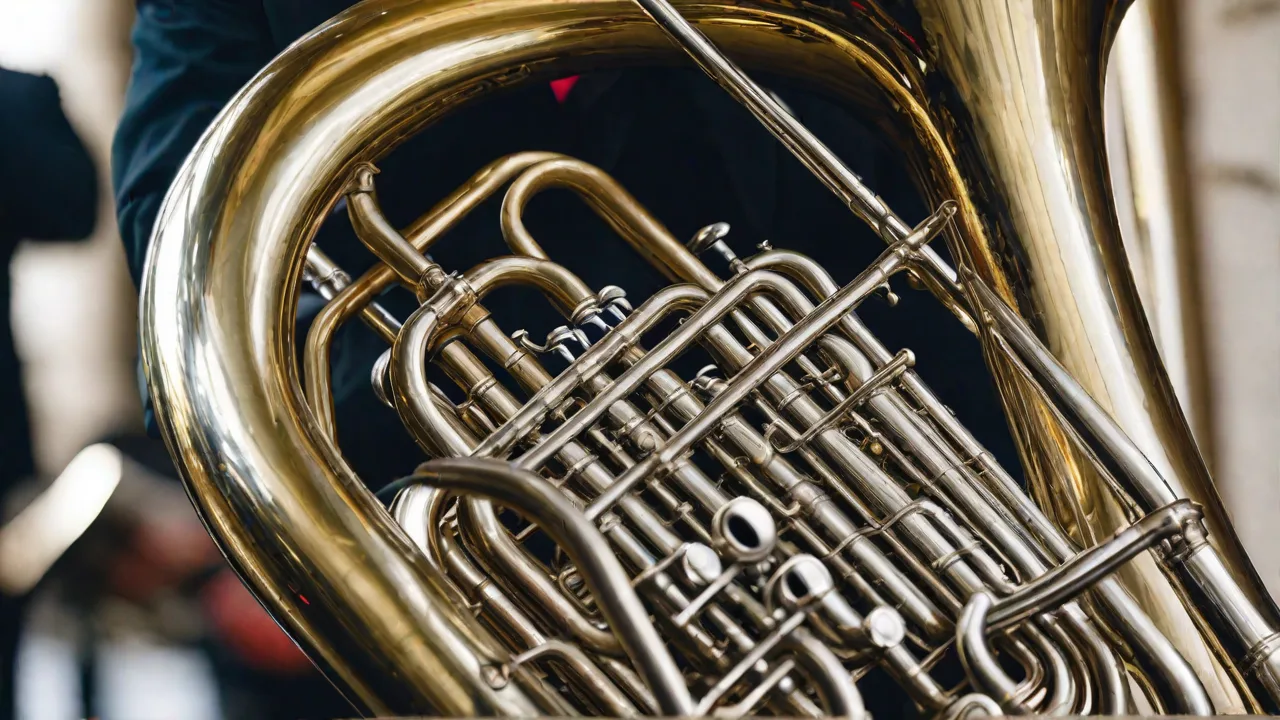
How to Prepare for a Tuba Audition or Performance
Start with a Solid Practice Routine
A consistent, well-organized practice schedule is the bedrock of successful audition and performance preparation. Without one, it is easy to waste time or neglect critical skills. The key is to break your practice into focused segments that address different aspects of your playing, building both technical facility and musical expression. Each session should have a clear purpose, with specific goals you aim to accomplish before you set down your instrument.
Structuring Your Practice Session
Begin each session with a proper warm-up. This is not optional—it prevents injury, improves tone, and prepares your embouchure for demanding playing. A good warm-up should include:
- Breathing exercises: Use diaphragmatic breathing drills, such as inhaling for four counts and exhaling for eight, to develop lung capacity and control. Gradually extend the exhale to twelve or sixteen counts as your control improves. The International Tuba Euphonium Association (ITEA) offers excellent foundational resources on brass breathing techniques.
- Long tones: Hold sustained notes across your range, focusing on steady air support and a centered sound. Pay attention to pitch stability with a tuner. Start in your most comfortable range and slowly expand outward by half steps, spending at least ten seconds on each note. Listen for a consistent, resonant tone from attack to release.
- Lip slurs and flexibility exercises: Move smoothly between partials without changing fingerings. This builds embouchure strength and agility essential for low brass. Begin with simple octave slurs and progress to more complex patterns that span wider intervals. Keep the air moving steadily through each transition.
After warming up, dedicate time to technical work. Run through all major and minor scales, arpeggios, and articulation patterns such as legato, staccato, and marcato. Use a metronome to gradually increase tempo, but only when you can play each pattern cleanly. Berklee’s practice tips with a metronome can help you develop rhythmic precision—a non-negotiable skill in auditions. Try practicing scales in thirds, fourths, and other interval patterns to build fluency across the entire fingerboard of your instrument.
Repertoire and Musicality
Once technical fundamentals are solid, turn to your audition excerpts or performance pieces. Work slowly and accurately before increasing speed. Use a pencil to mark difficult fingerings, breathing points, and dynamic changes. Then spend time on musicality: experiment with different phrasing, explore the emotional arc of the piece, and refine your interpretation. Record yourself and listen critically. Listen for inconsistencies in tone, rushed passages, or places where your intonation wavers. This layered approach ensures that by performance day, you are not just playing notes—you are making music with intention and conviction.
End each practice session with a cool-down. Play a few soft, relaxed long tones in your middle range. This helps your embouchure transition out of intense work and reduces the risk of stiffness or soreness later. A cool-down also gives you a moment to reflect on what you accomplished during the session and what needs attention tomorrow.
Choosing the Right Repertoire and Excerpts
Even before deep practice begins, the music you choose sets the stage for success. For auditions, follow the required list precisely. If excerpts are provided, research performances by professional tubists to understand stylistic expectations. Listen to multiple recordings of the same excerpt—different players will emphasize different aspects of the music, and you can learn from each interpretation. For solo performances, select music that showcases your strengths—whether that is lyrical phrasing, technical agility, or a combination. Consult with your teacher or a trusted colleague to ensure the repertoire is appropriate for your current level and the demands of the event. Avoid pieces that are too difficult or too easy; the goal is to demonstrate competence and artistry within your comfort zone while still challenging yourself to grow.
Consider the context of the performance or audition. A college audition panel may prioritize different qualities than a professional orchestra audition. Research the institution or ensemble beforehand. What repertoire do they typically perform? What is the reputation of their brass section? Tailoring your choices to fit the specific opportunity can give you a subtle but meaningful edge.
Know Your Music Inside and Out
Thorough knowledge of your audition or performance music goes beyond playing the right notes. It means absorbing every detail so that you can perform with confidence and insight, even under pressure. This depth of preparation is what allows you to respond flexibly to the unexpected—a faster tempo from the accompanist, a noisy air conditioner, or a moment of mental blankness.
Analyze the Score
Take time to study the score away from your instrument. Understand the composer’s intentions: what is the historical context? What is the form and key structure? Identify recurring motifs, dynamic contrasts, and stylistic markings. For orchestral excerpts, listen to recordings of the full work to grasp how your part fits into the ensemble. Pay attention to how your lines interact with other instruments—when are you supporting the harmony, and when do you have the melody? This analytical work deepens your interpretation and helps you make informed expressive choices that demonstrate musical maturity.
Memorize Key Sections
While not all auditions require memorization, committing difficult passages to memory frees you from relying solely on the page. Use chunking: isolate small phrases and repeat them until they become automatic. Then string these chunks together. Memorization also builds security for tricky entrances and helps you maintain eye contact with the audition panel, projecting confidence. For especially exposed passages, try closing your eyes while playing to confirm that your muscle memory and ear are truly leading the way, not your eyes.
Mark Your Music
Use a soft pencil to add unobtrusive reminders: fingerings for awkward transitions, breath marks, dynamic cues, and tempo changes. Over-marking can become clutter, so stay selective. A well-marked part becomes a reliable map during the performance, reducing cognitive load. Consider using different colors for different types of markings—for example, blue for dynamics, red for fingerings, green for breath marks—so you can quickly scan the page during a performance.
Practice Problem Areas
Identify the sections that consistently trip you up—whether from range, rhythm, or articulation—and isolate them. Practice them in context, then remove the context to work on the specific challenge. Use variations such as playing the passage slower, in different rhythms, or starting from different points to build mastery. Only when a problem area feels effortless at performance tempo should you consider it ready. If a passage still feels uncomfortable after focused practice, step away and return to it later with fresh ears. Sometimes your brain needs time to consolidate new motor patterns.
Develop a Pre-Audition and Pre-Performance Routine
Nerves can undermine even the best preparation. A well-designed pre-performance routine helps you channel adrenaline into focus and calm, ensuring you arrive at your audition or performance mentally and physically ready. This routine should be practiced just as deliberately as your scales and excerpts—it becomes a reliable anchor when the pressure rises.
Physical Warm-Up
On the day of the event, begin with gentle stretching of your neck, shoulders, back, and core. Brass playing requires good posture and relaxed muscles; stiffness impairs breathing and embouchure. Follow with breathing exercises to oxygenate your body and settle your heart rate. A simple box breathing pattern—inhale for four counts, hold for four, exhale for four, hold for four—can quickly calm nervous system activity. Repeat this cycle five to ten times before you even touch your instrument.
Instrument Warm-Up
Once at the venue, warm up on long tones and simple scales. Aim for about 15–20 minutes of quiet, focused playing. This is not the time to run through your entire repertoire—keep it light to avoid fatigue. Adjust your warm-up based on the room’s acoustics and temperature, which can affect your instrument’s response. A cold tuba may play flat initially; give it time to warm up to room temperature. If the room is very dry, consider using a small humidifier in your case to help maintain consistent intonation.
Mental Preparation and Visualization
Close your eyes and mentally rehearse your performance from start to finish. Imagine the room, the panel, the feel of your mouthpiece, the sound of the first note. Visualize yourself playing confidently, handling any mistakes gracefully, and finishing with a smile. This mental rehearsal primes your brain and reduces anxiety. For deeper techniques, explore resources on managing performance anxiety from the American Psychological Association. Some athletes and musicians use a technique called "positive scripting"—writing out a detailed description of a perfect performance and reading it aloud before going on stage.
Arrive Early and Acclimate
Give yourself at least 30 minutes to arrive, check in, and set up. Use this time to acclimate to the room's temperature and humidity, which can affect tuning. Play a few quiet notes, adjust your valve oil if needed, and find a comfortable chair. Having a buffer reduces last-minute panic. If possible, walk the stage or performance area beforehand. Know where the panel will be seated, where your chair will be, and how the room sounds. This spatial awareness reduces the disorientation that often accompanies performance anxiety.
Practice Performing Regularly
True confidence comes from simulating the pressure of a real audition or performance long before the actual day. The more you perform, the more familiar the adrenaline rush becomes, and the better you learn to manage it. Treat each practice performance as a serious event—no do-overs, no stopping to correct mistakes, just continuous playing from start to finish.
Mock Auditions and Feedback
Arrange mock auditions with friends, family, or fellow musicians. Ask them to sit in a formal setting while you play your entire program without stopping. Afterward, seek constructive feedback on both your playing and your stage presence. Record these sessions on video—watching yourself can reveal habits you never noticed, such as tense shoulders, shallow breathing, or a wandering eye. Review the footage with a critical but compassionate eye. What looks confident? What looks nervous? Work on adjusting one or two habits at a time.
Perform in Low-Stakes Settings
Volunteer to play at community events, nursing homes, or open mic nights. These environments offer a forgiving audience and a chance to experience performance flow. Each successful performance builds a mental library of positive experiences, counteracting fear of failure. Even a short performance in front of a small group can reinforce the neural pathways that link performance with positive outcomes. Over time, these experiences accumulate, and your brain begins to associate performing with pleasure rather than dread.
Dealing with Mistakes During Performance
Even the best performers make mistakes. What matters is how you recover. During practice, intentionally make small errors and practice moving forward without stopping. If you drop a note, ignore it and continue. Develop a mental cue, such as taking a deep breath or thinking "next phrase," to reset your focus. This resilience is what separates polished performers from those who unravel under pressure. Remember: the audience likely did not hear the mistake as clearly as you did. Most listeners are focused on the overall musical experience, not on individual notes.
Take Care of Your Instrument and Yourself
Neglecting your instrument or your health can sabotage weeks of preparation. Consistency in maintenance and self-care ensures that you perform at your peak. Your instrument is a precision tool, and your body is the engine that drives it—both require regular attention to function optimally.
Instrument Maintenance Checklist
Your tuba or sousaphone is a delicate machine. Regularly check and clean valves, slides, and the leadpipe. Lubricate valves with the appropriate oil and use slide grease on tuning slides. Inspect for dents or leaks that could affect intonation and response. Before a major event, consider a professional cleaning and adjustment. Reliable instrument care advice, like the maintenance guides from Yamaha’s tuba guide, can help you stay on top of these tasks. Keep a small maintenance kit in your case: valve oil, slide grease, a soft cloth, a small screwdriver for loose screws, and extra mouthpieces if possible. Being prepared for minor issues prevents them from becoming major problems during a performance.
Physical and Mental Health
Get adequate sleep—at least eight hours the night before a performance. Fatigue impairs fine motor control and concentration. Stay hydrated throughout the day, but avoid carbonated beverages and dairy before playing, as they can cause bloating or excess mucus. Eat a balanced meal a few hours beforehand; opt for complex carbohydrates and protein for sustained energy. Manage stress with deep breathing, meditation, or a short walk. Your body is the vessel for your sound—treat it with the same care you give your instrument. If you feel anxiety building in the days before a performance, talk to a trusted friend or mentor. Sometimes verbalizing your fears diminishes their power over you.
Additional Tips for Tuba and Sousaphone Players
Low brass instruments present unique challenges that require targeted strategies. The following insights will help you address the specific demands of tuba and sousaphone playing. These instruments are physically demanding and acoustically complex, so specialized preparation is essential.
Build Lung Capacity and Breath Control
Long phrases and powerful dynamics demand exceptional lung capacity. Incorporate daily breathing exercises into your routine: try the "hiss" exercise (inhale deeply, then exhale with a steady hiss for 30 seconds) or use a breathing tube device. Also practice circular breathing for extended passages. For a structured approach, the Smithsonian article on brass breathing offers historical and practical insights. Another effective drill is to practice breathing in for four counts, holding for sixteen, and exhaling for eight—always maintaining a relaxed, open throat. Over time, these exercises increase your vital capacity and give you more control over phrasing.
Focus on Posture and Ergonomics
Playing a large instrument can strain your back, shoulders, and neck. Maintain a comfortable, upright posture with your feet flat on the floor. Avoid leaning back or forward. If using a sousaphone, adjust the harness to distribute weight evenly. Consider using a tuba stand or a low chair to reduce fatigue during long rehearsals or performances. Good posture improves breath support and sound projection. Check your posture periodically throughout practice sessions—it is easy to slouch after thirty minutes of playing, especially when focusing on difficult passages. Set a timer to remind yourself to reset your posture every fifteen minutes.
Prepare for Physical Endurance
Auditions and performances often require sustained playing over 30–60 minutes. Build endurance gradually by extending your practice sessions incrementally. Include short rests every 15–20 minutes to prevent lip fatigue. Strengthen your embouchure with buzzing exercises away from the mouthpiece. Conditioning your muscles takes weeks—start well before the event. A good rule of thumb is to practice at least six days a week in the month leading up to a major performance, taking one rest day to allow your muscles to recover and rebuild.
Practice with a Tuner
Intonation on the tuba is notoriously challenging due to its wide partials and the influence of room acoustics. Always practice with a tuner, focusing on pitch tendency for each note. Learn which notes are sharp or flat in your specific instrument, and adjust your air speed and embouchure accordingly. Use a drone pitch to train your ear for perfect intervals. Start by playing simple scales against a drone, then progress to your audition excerpts. Record these sessions and listen back—you may notice intonation issues that were invisible in the moment. Some players keep a written pitch tendency chart for their instrument, noting which notes require adjustment and in which direction.
Work on Articulation Clarity
Attacks and releases can be muddy on low brass, especially in fast passages. Practice tonguing exercises with varied syllables (tu, du, lu) to develop crisp articulation. Use a mirror to check your tongue and lip alignment. Record yourself to ensure every note speaks clearly, from the softest pianissimo to the strongest fortissimo. For very fast passages, practice articulating each note in rhythm at half tempo, then gradually increase speed while maintaining clarity. If your tongue feels sluggish, try practicing articulation patterns on just the mouthpiece first, then transfer that clarity to the full instrument.
Listen to the Greats
One of the most effective ways to improve is to immerse yourself in recordings of world-class tuba players. Listen to Roger Bobo, Oystein Baadsvik, Carol Jantsch, and others whose technical command and musical expression set the standard. Pay attention to their tone quality, phrasing, and how they shape musical lines. Try to imitate their sound in your own playing. This deep listening trains your ear and raises your internal standards for what is possible. Create a playlist of reference recordings for the excerpts you are preparing and listen to them during commutes or while exercising.
Final Thoughts
Preparing for a tuba audition or performance is a journey that blends discipline, creativity, and self-awareness. Every hour of mindful practice, every mock performance, and every careful adjustment of your instrument builds toward a single moment when you share your music with an audience. Embrace the process rather than fixating on the outcome. Even if the audition does not go exactly as planned, the skills you gain—focus, resilience, and a deeper connection to your instrument—will serve you for a lifetime. Trust your preparation, breathe deeply, and let your sound speak. The low brass community is a supportive one, and every player you admire has stood where you are now, nervous and hopeful. Play boldly, and remember why you started playing in the first place: because music moves you. Let that joy be the foundation of every note you play.